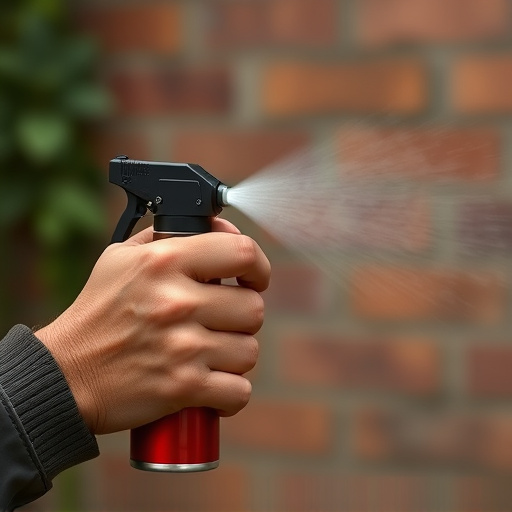
Non-lethal pepper spray defense tools, using capsaicin to temporarily disable attackers, are regulated by varying laws across jurisdictions. Proper training and understanding legal implications ensure safe and effective use against threats, providing a powerful personal safety option with minimal harm.
In today’s world, civilians are increasingly looking to non-lethal pepper spray defense as a crucial tool for personal safety. This comprehensive guide delves into the technology behind effective non-lethal pepper spray devices, exploring legal considerations and key features that make them powerful yet responsible tools. We’ll discuss optimal use techniques, safety protocols, and how to navigate potential liabilities, empowering readers with vital knowledge for self-defense in diverse scenarios.
- Understanding Non-Lethal Pepper Spray Technology
- Legal Considerations for Civilian Self-Defense Spray
- Key Features and Benefits of Pepper Spray Devices
- Effective Use and Training Techniques for Optimal Protection
- Ensuring Safety and Responsibility in civilian pepper spray defense
Understanding Non-Lethal Pepper Spray Technology
Pepper spray, a non-lethal defense tool, has evolved significantly over time. It works by causing temporary blindness and respiratory distress in the target, enabling users to escape or deescalate a dangerous situation. The active ingredient, capsaicin, is derived from chili peppers and irritates the eyes and nose, disrupting an attacker’s balance and vision.
Modern non-lethal pepper spray devices come in various forms, including aerosol cans and advanced electric pulse options. They are designed to be easy to use, with simple activation mechanisms that allow individuals to defend themselves effectively. These products play a crucial role in personal safety, especially for civilians who may encounter aggressive dogs, hostile individuals, or other threats in everyday settings.
Legal Considerations for Civilian Self-Defense Spray
When considering non-lethal pepper spray defense for personal protection, civilians must also be aware of the legal implications in their jurisdiction. The use of self-defense spray is governed by specific laws that vary widely from one region to another. It’s crucial to understand these regulations, as misuse or possession without legal justification can lead to severe penalties, including fines and imprisonment.
In many places, civilian pepper spray products are only legal for use in self-defense when there is an imminent threat of physical harm. Users must also comply with restrictions on the type of spray permitted, its potency, and the quantity they can possess. Familiarizing oneself with local laws and seeking clarification from law enforcement authorities before purchasing or carrying any form of self-defense spray is essential to avoid legal complications.
Key Features and Benefits of Pepper Spray Devices
Pepper spray devices, known for their non-lethal capabilities, offer a powerful and effective self-defense solution for civilians. These compact and easily portable tools are designed to incapacitate an assailant temporarily, providing users with valuable time to escape or seek help. Key features include a simple activation mechanism, often just a trigger or button, ensuring users can deploy the spray quickly in stressful situations.
The benefits extend beyond its immediate impact. Pepper spray creates a physical barrier against attackers, causing temporary blindness, coughing, and difficulty breathing. This disruption can be crucial in deterring potential threats, allowing individuals to maintain their safety and security. Moreover, unlike some lethal options, pepper spray is legal for personal defense in many jurisdictions, making it an accessible choice for those seeking non-lethal protection while navigating potentially dangerous situations.
Effective Use and Training Techniques for Optimal Protection
For optimal protection, proper training and effective use are paramount when employing non-lethal pepper spray defense. It’s crucial to learn the right techniques for application, ensuring the spray reaches the target accurately while minimizing collateral damage. Training should cover various scenarios, including how to handle unexpected situations and maintain distance, which is vital for both safety and legal considerations.
Regular practice sessions allow users to become comfortable with the spray’s range and impact, enabling them to make quick decisions under pressure. Understanding the spray’s de-escalation properties and knowing when to deploy it can significantly contribute to diffusing potentially dangerous encounters. Effective use of non-lethal pepper spray defense requires a balance between assertiveness and caution, which proper training helps individuals achieve.
Ensuring Safety and Responsibility in civilian pepper spray defense
In the realm of personal safety, non-lethal pepper spray defense has emerged as a powerful tool for civilians to protect themselves in various situations. This innovative product offers an effective yet responsible approach to deterring potential threats, ensuring that individuals can defend themselves without causing permanent harm. When used appropriately, pepper spray can create a crucial window of opportunity for escape or the arrival of help, making it a valuable asset for personal safety.
Responsibility and safety go hand in hand when discussing civilian pepper spray defense. It is imperative to understand and adhere to local laws and regulations regarding its use. Proper training and education are essential to ensure that individuals employ this tool effectively while minimizing risks. Responsible usage includes targeting specific areas, maintaining a safe distance, and being mindful of bystanders to prevent any unintended consequences. With the right knowledge, pepper spray can be a game-changer in personal safety, fostering an environment where individuals feel empowered and protected without compromising their well-being.
Non-lethal pepper spray defense offers civilians a powerful yet responsible tool for self-protection. By understanding the technology, legal framework, and key features, users can make informed choices. Effective training ensures optimal protection, while emphasizing safety and responsibility enhances the overall effectiveness of this non-lethal force option. Incorporating these elements empowers individuals to protect themselves and their loved ones with confidence in today’s diverse and unpredictable world.